












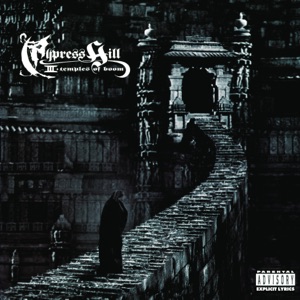


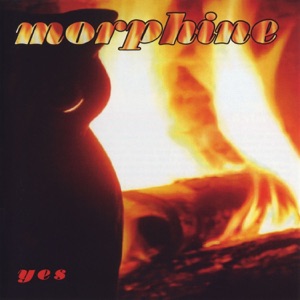


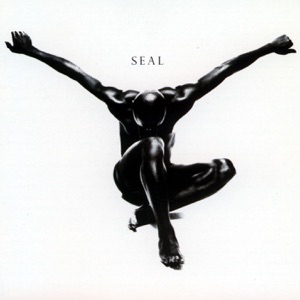

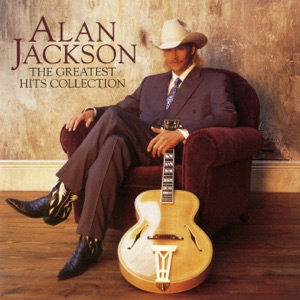




The purple tape A Staten Island basement becomes the most productive recording studio in hip-hop. One producer, working with a sampler and a stack of obscure soul and kung fu soundtrack records, cuts beats for half a dozen albums in the same twelve months. His method is crude and effective: loop a sample, chop it, layer another on top, let the dust and crackle stay in. One of those albums arrives in August on a purple cassette, structured like a crime film, two MCs trading verses in character over production so atmospheric it sounds like fog rolling through a housing project. It becomes the blueprint for an entire subgenre.
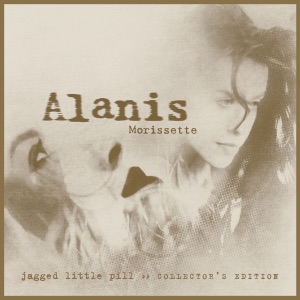
Thirty-three million copies from a home studio A songwriter and a producer meet through their publishers and start writing songs the same afternoon. They work in a home studio in the San Fernando Valley, one song per day, twelve-to-sixteen-hour shifts, minimal overdubbing. Nobody at the label expects much. The album ships in June and never stops selling, eventually moving thirty-three million copies worldwide. It proves that a confessional record made cheaply and quickly can outsell anything the industry's biggest budgets produce.
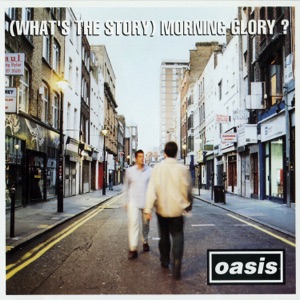
The chart war heard round the world Two British bands move their singles to the same release date in August, and the music press treats it like a general election. One band sells 274,000 copies; the other sells 216,000. The loser of the singles battle wins the album war by millions, releasing a record in October that becomes the third-best-selling album in UK chart history. The whole episode puts Britpop on newspaper front pages and proves that guitar bands can generate tabloid-level hysteria in a country that thought it had outgrown that.
Number one from a prison cell A rapper's fourth album debuts at number one on the Billboard 200 in March while he is serving a sentence at a correctional facility in upstate New York. He becomes the first artist to top the chart from behind bars. The album is his most introspective, full of mortality and betrayal, recorded across ten different studios before the conviction. Seven months later, a record executive visits him with a contract and posts 1.4 million dollars in bail. The rapper walks out of prison in October and begins recording immediately.
The Source Awards and a speech that lit a fuse At the Paramount Theater in New York on August 3, a record label CEO accepts an award and aims a thinly veiled insult at a rival executive on the other coast. The crowd erupts. A trio from Atlanta wins Best New Rap Group and gets booed by the hometown audience; one of them steps to the microphone and says the South has something to say. The ceremony crystallizes a coastal rivalry that will claim two lives within two years and announces a regional shift that will reshape hip-hop's geography for the next decade.
Queensbridge in the winter Two rappers from the Queensbridge Houses produce most of their album in a small apartment, using a sampler and a turntable. The production is cold and claustrophobic: minor-key piano loops, sparse drums, distant sirens in the background. A veteran producer from a rival group helps mix the sessions, lending a clarity that makes the bleakness feel intentional rather than accidental. The finished album captures a specific place and temperature so precisely that the neighborhood becomes synonymous with the sound.
The first drum and bass album A graffiti artist turned musician works with an engineer at a London studio to build a record that proves breakbeat music can sustain an album-length statement. The title track runs twenty-one minutes, layering orchestral strings, soul vocals, and chopped breakbeats at 170 BPM into something that sounds like a symphony conducted by a DJ. It enters the UK chart at number seven and eventually goes platinum, the first drum and bass record to do so.
The MP3 gets its name On July 14, a compression format developed at a German research institute is officially assigned the file extension .mp3. A digital song that would normally take up thirty-two megabytes now fits in two or three. In September, the institute releases the first Windows-based player. Piracy groups immediately begin bundling it with bootleg music CDs sold at computer fairs. The technology that will dismantle the record industry's business model within five years has just been born, and almost nobody in the industry notices.
A museum on the lake On September 1, a building designed by I.M. Pei opens on the shore of Lake Erie in Cleveland: 150,000 square feet of glass and angular steel, built for ninety-two million dollars. The next day, 65,000 people fill the city's municipal stadium for a concert featuring performers who span forty years of American popular music. The building gives rock and roll a permanent physical address for the first time, a place where a handwritten lyric sheet and a touring guitar carry the weight of museum artifacts.
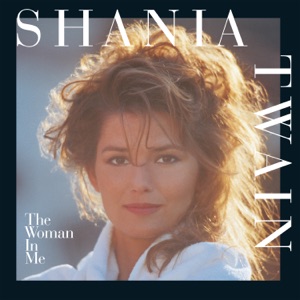
A country record that sounds like a rock record A singer's second album is produced by a man whose previous credits include the biggest hard rock and arena metal records of the 1980s. He applies the same philosophy to Nashville: layered guitars, huge drum sounds, hooks polished to a gleam. The result sells four million copies by December and eventually reaches twelve million in the United States alone. It permanently changes the sonic expectations of mainstream country, proving that production values borrowed from rock radio can coexist with fiddle and steel guitar.
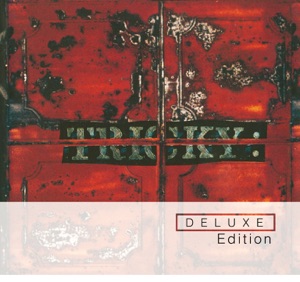
Bristol's other voice A former collaborator from Bristol's most celebrated collective records his debut in a home studio with a sampler, a sequencer, a budget microphone, and a compressor. Most of the vocals come from a nineteen-year-old singer who had never recorded before. The production is dense and suffocating: dub effects, slowed-down samples, layers of distortion that turn pop songs into something claustrophobic and unsettling. Critics call it trip-hop's first album-length masterpiece, though the producer hates the label.