




















A teenager's homework assignment A nineteen-year-old college dropout in Boston writes a program that lets any two computers on the internet share music files directly. He releases it on June 1. Within months, college dorm rooms are downloading entire catalogs overnight, and universities start banning the application because it is consuming all their bandwidth. By the end of the year, the recording industry files a lawsuit that ironically drives millions more users to the platform. The industry's $14.6 billion peak, built almost entirely on compact disc sales, has already begun its collapse.
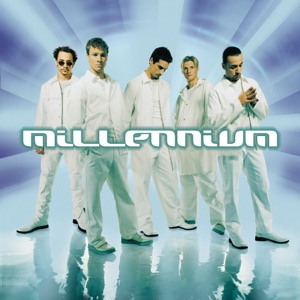
The million-copy week A boy band's third album sells nearly 500,000 copies on its first day in May, then finishes the week at 1,134,000, shattering every sales record the tracking system has ever measured. The album becomes the best-selling record of the year with 9.4 million copies in the United States alone. Four months earlier, a seventeen-year-old's debut album had already sold ten million copies on the strength of a single whose schoolgirl video became the most replayed clip on cable music television. The two records together represent the last time the album-as-physical-object will dominate American commerce at this scale.
The villain's origin story A rapper in a metal mask records his debut album in a borrowed apartment in New York, working on a sampler over three weeks, looping fragments of cartoon soundtracks and obscure soul records into beats that sound like they were recovered from a dumpster behind a comic book shop. The concept is a supervillain origin story modeled on a Marvel character, verses so densely rhymed they reward a dozen listens. The album sells almost nothing on release. Within a few years it becomes one of the most influential underground hip-hop records ever made, its aesthetic of masks, aliases, and lo-fi abstraction shaping an entire generation of independent artists.
Seven years between records A producer releases his first album in seven years and immediately reclaims the West Coast. The sound is sleeker and more orchestral than anything he made in the early nineties: muted piano chords, deep sub-bass, layered synthesizers, and guest verses from a roster that includes his own protege, whose debut album nine months earlier had already gone platinum. The two records together reestablish a production style that had been dormant since the middle of the decade, proving that refined, melodic gangsta rap still had a massive audience.
Every track licensed An electronic musician releases his fifth album in May to indifferent reviews and sluggish sales. Then his manager begins licensing tracks to commercials, television shows, and film soundtracks. Every single track on the album eventually gets placed somewhere: car ads, sportswear campaigns, drama series, independent films. The strategy is unprecedented. Sales climb for months after release rather than dropping. The album eventually sells twelve million copies worldwide and becomes the best-selling electronica record in history, built not on radio play but on the sheer ubiquity of hearing its samples in every other context.
The Air Force base A three-day festival on a decommissioned military runway in upstate New York draws 220,000 people in late July. The organizers have cleared every tree from the concrete site. Temperatures exceed 100 degrees. Water costs four dollars a bottle. During one headliner's set, the crowd turns violent. On the final night, candles distributed for a peace vigil are used to set vendor booths, trailers, and fencing on fire. Law enforcement takes five hours to contain the destruction. Four women report sexual assaults. The festival becomes shorthand for everything rotten about the decade's corporate rock culture.
A comeback that tied the record A guitarist who first charted in 1969 releases a collaborative album in June, pairing his playing with a different guest vocalist on nearly every track. One single, built on a Latin-pop groove with a smooth vocal melody, spends twelve weeks at number one, becoming the last chart-topper of the nineties and the first of the two-thousands. At the Grammy ceremony in February 2000, the album wins nine awards, tying the record set by a certain 1982 album for most Grammys won by a single release.
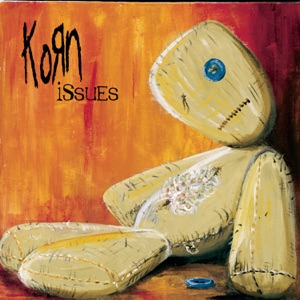
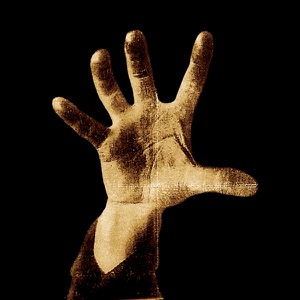
Nine masks from Iowa A nine-member band from Des Moines, each wearing a numbered mask and matching jumpsuits, releases its debut on a metal label in June. The sound is extreme even by the standards of a genre that has been getting heavier for five years: blast beats, turntable noise, percussion from custom-built instruments, vocals that alternate between death-metal growls and melodic singing. The album goes platinum within three months and becomes the label's fastest-selling debut ever, proving that nu-metal's audience extends far past radio-friendly rap-rock into genuinely abrasive territory.
A good beginning A band from Reykjavik records its second album with a British producer over the course of a year, replacing the ambient drone of its debut with bowed-guitar textures, a double string octet, and falsetto vocals sung in a mixture of Icelandic and a made-up language with no fixed meaning. The album is released domestically in June and reaches international audiences the following year. One British magazine calls it the last great record of the twentieth century. Its glacial patience and emotional intensity become a template for a strain of orchestral post-rock that will define the following decade.
The school and the scapegoat On April 20, two students kill thirteen people and themselves at a high school in Littleton, Colorado. Politicians and media commentators immediately blame a shock-rock performer whose theatrical persona and transgressive imagery make him an easy target. The performer was not actually a favorite of the perpetrators. He cancels the remaining dates of his tour, writes a response essay for a national magazine, and receives hundreds of death threats. The episode crystallizes a decades-old cycle: when violence happens, music gets blamed first.
Sixty-nine songs about love A songwriter conceives a triple-album song cycle in a piano bar in Manhattan while listening to show-tune interpretations. The original plan is one hundred songs. He settles on sixty-nine, spread across three discs, twenty-three tracks each, genre-hopping from synth-pop to country to punk to Broadway ballad. The finished album is released in September on an independent label. Critics rank it among the year's best. It is simultaneously the most ambitious and the most casually constructed major release of the decade, each song a self-contained miniature, the whole thing held together by nothing but the subject.
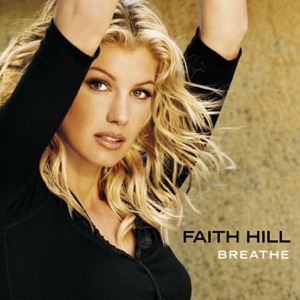
Country goes diamond A country trio's second major-label album debuts at number one on both the pop and country charts in August, the first country group to top the Billboard 200. The record eventually ships ten million copies, earning a Diamond certification. Eight singles go to country radio; six reach the top ten. The album's crossover success, alongside another country singer's pop-friendly fourth album released three months later, signals that Nashville has fully absorbed the production techniques of mainstream pop and rock, blurring the format lines that had kept country in its own commercial lane.