






















Ninety-nine cents On April 28, Apple opens a store that sells individual songs for less than a dollar each. Two hundred thousand tracks from all five major labels are available at launch. A million songs sell in the first week. By December, the counter hits twenty-five million, and the twenty-five-millionth purchase is a Frank Sinatra Christmas song. The store runs only on Macintosh computers for the first five months. When the Windows version arrives in October, the music industry's last argument against legal downloading collapses. The album is no longer the default unit of sale. The single is back, and it costs less than a cup of coffee.
Shot nine times and number one A rapper from Queens whose mythology centers on surviving a point-blank shooting releases his debut album in February. It sells 872,000 copies in its first week, the best opening of the year. The lead single dominates every format simultaneously: radio, clubs, ringtones, MTV. The production is polished and heavy, built on layered synthesizers and precision-engineered drums that hit like a car door slamming. The album becomes the best-selling record of the year in the United States and moves thirteen million copies worldwide.
Two albums in one box A duo from Atlanta releases a double album in September, each member getting his own disc. One half is dense Southern funk, horn sections punching over programmed drums and rolling bass lines. The other half barely sounds like hip-hop at all: jazz chords, Prince-influenced falsetto, a song built around a Polaroid metaphor that becomes one of the decade's defining pop singles. The two discs together sell over half a million copies in their first week, return to number one at Christmas, and eventually become the highest-certified rap album in history. At the Grammy ceremony the following February, it wins Album of the Year.
The retirement concert A rapper announces that his eighth solo album will be his last. He commissions a different producer for every track: one gives him a Rick Rubin guitar riff, another gives him a Timbaland beat that sounds like it was assembled from car parts. The farewell concert at Madison Square Garden in November features a parade of guests. An a cappella version of the album is released commercially, and within three months an unknown producer mashes it with a Beatles record, creating a bootleg that EMI tries to suppress and the internet refuses to let die. The retirement lasts three years.
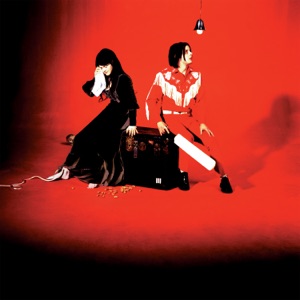
Seven notes and a football stadium A two-piece band from Detroit records their fourth album in London using only analog equipment: no computers, no digital processing, tape machines and tube amplifiers only. The lead single is built on seven notes played on a guitar through an octave pedal, mimicking a bass line so elemental it barely qualifies as a melody. The riff escapes the song entirely. Football fans in Belgium adopt it as a terrace chant, and within a few years it is being sung in stadiums on every continent, by crowds who may never have heard the original recording.
Nine words in London On March 10, a country trio plays a club show in London. Between songs, the lead singer tells the crowd they are ashamed that the President is from Texas. The comment takes two days to cross the Atlantic. When it lands, country radio stations pull the group's music from rotation. Some stations rent steamrollers to crush their CDs in parking lots. Death threats follow. At the Academy of Country Music Awards in May, their nomination is met with boos. The award goes to the singer who had been displaying a doctored photograph of them with a foreign dictator at his concerts.
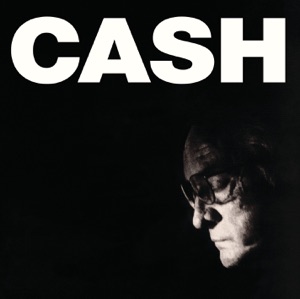
The last recordings A songwriter diagnosed with terminal lung cancer records his final album knowing he is dying, propped up on his couch for the last sessions, collaborating with whoever will come to his living room. The album is released two weeks before his death in September. Its closing track becomes an elegy not just for its author but for an entire era of literate, sardonic rock songwriting. When David Letterman asks him what he has learned from his diagnosis, his answer is four words about a sandwich.
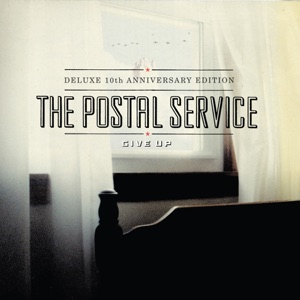
Mailing CDs back and forth Two musicians on opposite coasts make an album by mailing CD-Rs of instrumental tracks through the US Postal Service. One writes the melodies and lyrics, the other builds the electronic beds: synth arpeggios, programmed beats, glitchy textures layered under vocals so earnest they could be from a folk record. The finished album costs roughly twenty thousand dollars to make. It is released on an independent label in February, peaks at number forty-five, and then keeps selling for years, eventually going platinum. The actual US Postal Service sends a cease-and-desist letter about the band's name, then strikes a deal to let them keep it.
A kid from East London A nineteen-year-old from Bow, East London, records his debut album on a home computer, stitching together grime beats from garage and jungle fragments, rapping in a breathless, angular flow over productions so abrasive they sound like they are being transmitted through a broken phone line. The album wins the Mercury Prize, beating records by Radiohead and Coldplay, and becomes the founding document of grime as a genre with international reach.
The fire On February 20, a tour manager ignites stage pyrotechnics during a concert at a small nightclub in Rhode Island. Sparks catch flammable foam on the walls. The entire building is engulfed in six minutes. One hundred people die, most of them in a bottleneck at the front entrance. The club had four exits, but the panicked crowd funnels toward the one they came in through. The disaster leads to sweeping fire code reforms across the country and becomes the deadliest concert venue tragedy in American history.
Twelve years suing the audience The recording industry's trade group, watching revenues fall twenty-two percent in three years, begins filing lawsuits against individual file-sharers in September. The first wave targets 261 people, including a twelve-year-old girl in New York public housing and a seventy-one-year-old grandfather in Texas. Federal law allows damages up to 150,000 dollars per song. The legal campaign will continue for years, alienating the very consumers the industry needs to convert into digital buyers, while the ninety-nine-cent store in Cupertino quietly solves the problem they are trying to litigate away.