



















Voice, piano, standing ovation At the BRIT Awards in February, a singer walks to a piano and performs a ballad about lost love with no backing track, no dancers, no video screen. The O2 Arena gives a standing ovation. The song goes to number one in the UK by morning. The album it belongs to will sell 5.8 million copies in the US alone by December, more than the next two best-selling albums combined. In a year when every production technique available runs through laptops, the most successful record is built on live musicians playing in a room with no click track and no electronic instruments.
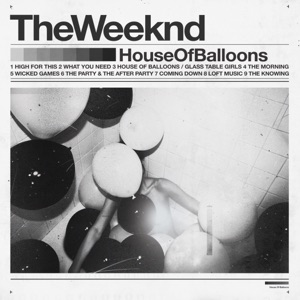
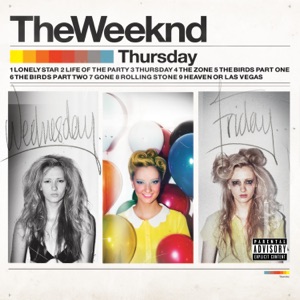
Three mixtapes, zero dollars A singer from Toronto releases three mixtapes over nine months, all free, all online, no label. The production is built on heavy reverb, pitched-down synths, and vocals that oscillate between falsetto and whisper. The lyrics move from hedonism to disillusionment to bleak introspection across the three releases. A rapper from the same city hears the first tape before it goes public and recruits the singer into his own album sessions. Three songs cross over between the two projects. By year's end, the singer has built a massive following without spending a dollar on promotion or signing a single contract.
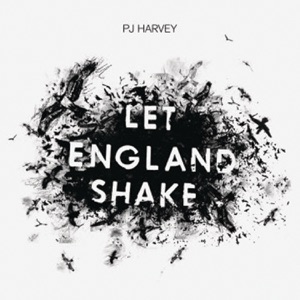
An autoharp in a Dorset church A songwriter records her eighth album in a nineteenth-century church in Dorset, England, playing three autoharps custom-tuned to darker, more minor keys than standard. She describes the instrument as having the breadth of an entire orchestra at your fingertips. The album is war poetry set to folk-rock instrumentation, and it wins the Mercury Prize, making her the only artist to win the award twice.
The swimming pool studio A singer who became famous for recording alone in a hunting cabin buys a defunct veterinary clinic in Fall Creek, Wisconsin, three miles from the house where he grew up. He and his brother build a studio over the clinic's abandoned swimming pool. The second album recorded there expands in every direction: saxophone, pedal steel, strings, layered vocals processed until they blur into texture. It wins two Grammys, including Best New Artist, four years after the cabin recordings first circulated.
FM synthesis in a vocal booth A producer visits a Dutch studio and is shown a software synthesizer by one of the resident engineers. He opens it on his laptop, creates a test patch, and builds an entire EP around the serrated bass sounds it generates. The music is dubstep accelerated into something more aggressive: mid-range frequencies grinding and wobbling, drops designed to feel physical. The EP wins two Grammys and drags a genre born in South London basements into American arenas. UK purists are furious. The producer is twenty-three.
A barn on the Mornington Peninsula In his parents' barn in rural Australia, a multi-instrumentalist records a song built on a sample from a 1967 Brazilian jazz guitar instrumental and a xylophone melody borrowed from a nursery rhyme. A female vocalist is added as a last-minute replacement after a higher-profile singer cancels. An actor shares the music video, in which both singers stand painted and naked against a wall, to ten million followers. The song eventually tops charts in twenty-five countries.
Laptop video, record deal A singer records a music video on her laptop, splicing footage of herself with old films and paparazzi clips. The song is called Video Games. She uploads it in May. By October it has an official single release, an NME award for best single of the year, and a deal with a major label. The debut album arrives in January 2012. The entire career begins with a homemade video that cost almost nothing to make.
Napster's ghost launches Spotify in America On July 14, a Swedish streaming service launches in the US with the help of the co-founder of Napster, the file-sharing program that destabilized the record industry a decade earlier. The service offers fifteen million songs, uses peer-to-peer technology for instant playback, and reaches five million users by December. Digital formats surpass fifty percent of total US music revenue for the first time. The CD falls below half of market share for the first time since 1989.
Five thousand copies, then platinum A rapper from Compton releases his debut album independently, digital-only, through a single online storefront. It sells five thousand copies in its first week and enters the chart at number 113. There is no label push, no radio campaign, no physical distribution. The album is a concept record about the crack epidemic and the medications his generation swallowed instead. It builds entirely on word of mouth. It eventually goes platinum.
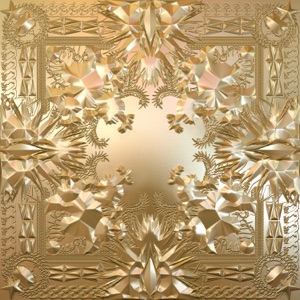
Two thrones, six cities Two rappers who started as mentor and protege book studio sessions across London, Abu Dhabi, Sydney, Paris, and New York. What begins as a five-song EP expands into a full album. A twenty-four-year-old producer contributes the biggest single. The collaboration debuts at number one and sells over a million copies by year's end, a monument to maximalism in a year when the biggest album in the world is almost acoustic.
Camden, July 23 A singer is found dead at her home in Camden, London. She is twenty-seven. The toxicology report finds no illegal substances; the cause is alcohol poisoning, blood alcohol more than five times the legal limit. Her family launches a foundation in September. Her US album sales surge from 44,000 for the first half of the year to 855,000 by December.