
















Jazz on the tour bus A rapper spends three years making his follow-up, scrapping multiple albums' worth of material. He travels to South Africa, visits a prison cell on Robben Island, and begins listening to Miles Davis and Parliament-Funkadelic on repeat. The finished record features a rotating cast of jazz musicians playing live saxophone, trumpet, upright bass, and piano directly into hip-hop arrangements. One track alone has 216 tracks in its session file and takes six days to mix. The album debuts at number one and sweeps the rap categories at the Grammys while losing Album of the Year.
Three and a half million in a week A singer withholds her third album from every streaming platform. In November, with no playlist placement, no algorithm, no free tier, the record sells 3.38 million copies in its first week in the United States alone. First-day sales hit 1.49 million, better than the entire first week of every other album released that year. The strategy is simple: scarcity in an age of infinite access. For one brief window, the album model looks invincible.
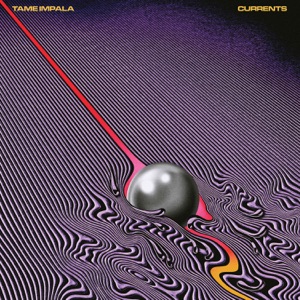
Eighty-two takes of a guitar part A producer and a singer start jamming in a Los Angeles studio: drums, synths, bass, nothing else. Six months later, they are still working on the same song, now in Toronto. The producer attempts fifty or sixty takes of the guitar part, faints in a restaurant from frustration during a lunch break, and finally nails it on take eighty-two. The finished single spends fourteen weeks at number one, the longest run of the year, built on a groove borrowed from Minneapolis funk filtered through Memphis soul.
A triple album on a beat label A tenor saxophonist releases a nearly three-hour triple album on a label known for experimental electronic music. The sessions feature a twenty-piece choir, a thirty-two-piece string section, and a core band of jazz musicians who also appear on the year's most acclaimed rap record. The album earns a Best New Music designation and sells out jazz clubs that had been half-empty for years. It is not a revival. It is jazz walking through hip-hop's front door and finding its own audience on the other side.
Taylor versus Apple A streaming service launches in June with a three-month free trial during which artists receive no royalties. The day before launch, a singer posts an open letter on Tumblr objecting to the policy. The letter reaches sixty million followers. Within twenty hours, the company reverses course. A senior vice president personally calls to deliver the news. The singer had already pulled her entire catalog from a rival streaming service the year before. In 2015, one letter on a blogging platform carries more negotiating power than any record label.
Recorded in eight days An Australian songwriter shows her band the new songs only a week before the studio session. The entire debut album is recorded in eight days in Melbourne. One track, a rapid-fire rant about self-doubt, is performed for the first time ever in the vocal booth: the singer has never sung the words out loud before pressing record. The album scores an 88 on Metacritic and wins the Australian Music Prize. The conversational lyrics, delivered over 90s-indebted guitar fuzz, prove you do not need polish to make something stick.
The CMA performance A Nashville songwriter who has written hits for other artists for over a decade releases his debut album in May. It sells modestly. Then in November, he performs on the CMA Awards alongside a pop star, singing a cover of a 1981 country ballad. The next morning, album sales surge six thousand percent. The record re-enters the Billboard 200 at number one. It is the first debut country album to top the chart in four years. The entire thing was recorded through analog equipment at a studio built in the 1960s.
Five years of colour A member of a minimalist three-piece band spends five years assembling a solo debut between group commitments. The album stitches together UK garage, dancehall vocals, steel-drum samples, and rave nostalgia into something that sounds like a night out remembered in fragments. One track is co-produced with a longtime collaborator from the electronic underground. Another features a young Atlanta rapper whose cadence barely touches the beat. The record bridges indie rock audiences and dance floors in a way neither side expected.
The bedroom and the mix suite A producer records her fourth album entirely alone in a home studio, teaching herself guitar, drums, and violin in the process. She uses a two-hundred-dollar USB audio interface and a laptop running Ableton Live. When the recordings are finished, they are sent to a mix engineer known for working with major pop acts. The gap between the recording and the mixing is the album's secret: homemade performances polished to a professional sheen, a sound that could not exist in either a proper studio or a proper bedroom alone.
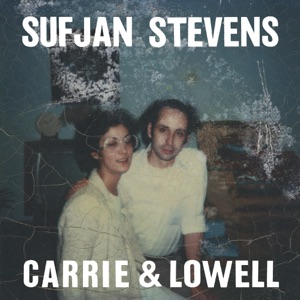
A letter to a dead mother A songwriter writes an album about his mother, who abandoned him at age one and died of stomach cancer three years earlier. He records parts of it on an iPhone in a hotel room. Other sessions happen in his Brooklyn office, in a friend's studio, in Portland, in Oklahoma, in Wisconsin. The finished record is so quiet it barely registers above a whisper. He later says the writing did not heal anything, that it pulled him deeper into grief. The album becomes one of the most praised records of the year.
Streaming crosses the line For the first time, streaming becomes the largest revenue component of the American music industry, accounting for 34.3 percent of total revenue. Subscription streaming alone generates 2.3 billion dollars. A Swedish company crosses twenty million paid subscribers by mid-year. A hip-hop artist's surprise-dropped mixtape breaks the platform's weekly streaming record within three days. Downloads, which peaked just two years earlier, are already in visible decline. The format war is over before most listeners realize it started.