
















A yellow sun logo and perpetual optimism Tired of licensing masters to other people's labels, a Memphis engineer founds his own. He names it after the sun, a sign of what he calls perpetual optimism. The yellow logo with its rooster rays becomes one of the most recognized images in music. Within three years a truck driver from Tupelo will walk through the door and change everything.
A loophole called Checker Records A Chicago label launches a subsidiary built on a simple loophole: radio stations already playing one single from the parent label will not spin a second, but they will play a release from a different imprint without blinking. The trick doubles the label's radio presence overnight.
The gold guitar answers the workingman's tool A guitar company that has been watching a California competitor sell solid-body electrics for two years finally builds its own. Mahogany body, carved maple cap, two pickups, and a gold-painted top. One company built a workingman's tool; the other built a piece of jewelry that could scream. The two instruments will define the sound of electric guitar for the rest of the century.
A harmonica that sounds like a saxophone At a Chicago blues session, a harmonicist cups a small bullet microphone against the reeds, runs the signal through a guitar amplifier, and overdrives the tubes. The resulting tone is fat and distorted, big enough to lead a band. His instrumental hits number one on the R&B chart and stays there for eight weeks. No other harmonica instrumental has ever matched it. He leaves his bandleader's group and never looks back.
Teenagers, a camera, and 45s A television dance show debuts in Philadelphia: a room packed with teenagers dancing to records. TV ownership has jumped from 9% of American households to 34% in two years. Five years later the show goes national, but the format is already locked in place. The visual language of pop music is being written in a local TV studio.
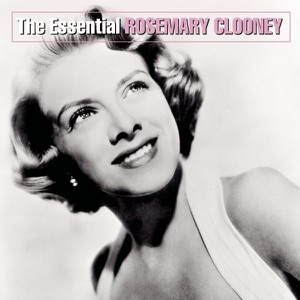
The women who own the charts Four women dominate the pop chart in rotation. One holds number one for ten weeks. Another records while pregnant and becomes the first female solo artist to top the brand-new UK chart. A British singer becomes the first non-American artist ever to reach number one in America. A fourth covers a country song and holds the top spot for two months. The pop mainstream in 1952 sounds like women's voices.
Four songs from a final session On September 23, a country songwriter walks into a Nashville studio for what will be his last recording session. He cuts four songs. All four become posthumous number ones. His wife has divorced him. The Grand Ole Opry has fired him. He is twenty-nine years old. He leaves for a New Year's show on December 30 and never arrives. Between 15,000 and 25,000 people attend the funeral.
The first woman to top the country chart A female singer answers a male hit with a song arguing that men, not women, are responsible for honky-tonk heartbreak. It becomes the first record by a woman to reach number one on the country chart. NBC bans it. The Grand Ole Opry bans it from radio broadcast. She keeps singing it at the Opry anyway, in person, where they cannot stop her.
Four minutes and thirty-three seconds of nothing A pianist walks onto a stage in Woodstock, sits at the piano, opens the lid, and starts a stopwatch. He does not play a note. Three movements of silence, framed only by the ambient sounds of the room: wind during the first movement, rain on the roof during the third. The audience is furious. The composer considers it his most important work. It remains the most radical question anyone has asked about what music is.
Eighty-four forgotten recordings become a bible A collector compiles eighty-four commercial 78s from the late 1920s and early 1930s onto six LPs, with eccentric liner notes cataloguing murder ballads, gospel shouts, Cajun fiddle tunes, and Delta blues. He assembled it in his apartment from records that cost him pennies at junk shops. The entire Greenwich Village folk revival will grow directly from this collection.
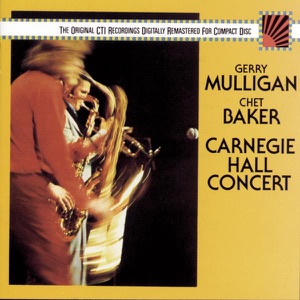
A pianoless quartet and the West Coast idea A baritone saxophonist assembles a quartet with no piano: trumpet, sax, bass, and drums navigating the harmony together with no one spelling out the chords. The recordings launch a new label and an entire regional movement in jazz in one stroke. Across town, another quartet records live at a Boston club with an alto saxophone tone so dry and lyrical it becomes the sound of the decade.