





















The Drifters are born in a church Clyde McPhatter quits the Dominoes, recruits four singers from the Mount Lebanon Singers in Harlem, and walks into Atlantic Studios. Money Honey goes straight to number one for eleven weeks. McPhatter's voice is something new: a gospel tenor let loose on secular music, bending notes like a horn player. Every R&B singer for the next decade will try to sound like this.
Two dogs, two Americas Patti Page's (How Much Is) That Doggie in the Window, with literal barking sound effects, sits at number one on the pop chart for eight weeks. Meanwhile Big Mama Thornton's Hound Dog, a raw, shouting blues written by two nineteen-year-olds in fifteen minutes, holds number one R&B for seven. Same country, same year, two completely different planets of music. Thornton sells half a million copies and receives one royalty check for $500.
One song in every lane at once The Orioles record Crying in the Chapel as a doo-wop ballad. It hits number one R&B and crosses to number eleven pop. Then three more versions chart simultaneously: the country original, a cowboy singer's take, a pop arrangement with strings. Nobody has seen this before. One composition purchased by audiences who aren't supposed to overlap.
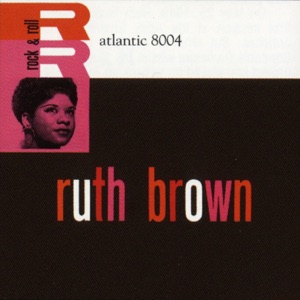
$2,063.25 buys a piece of Atlantic Records Jerry Wexler, the Billboard reporter who coined the phrase 'rhythm and blues,' buys 13% of Atlantic for the price of a used car. He and Ahmet Ertegun will co-produce every Atlantic session for the next six years. Ruth Brown is already at number one. Big Joe Turner's Honey Hush will hold it for eight weeks. They're building the most important independent label in America.
The greatest jazz concert, for a half-empty room Parker, Gillespie, Powell, Mingus, Roach. The five greatest bebop musicians alive, on one stage, for the only time. Massey Hall, Toronto. Almost nobody shows up because it's the same night as a heavyweight title fight. The promoter's checks bounce. Parker is playing a plastic saxophone because he pawned his real one. None of it matters once you hear the tape.
Les Paul records the future in his living room Les Paul and Mary Ford are making records on a custom eight-track tape machine in their garage in Mahwah, New Jersey. Paul overdubs guitar parts on top of guitar parts, stacks Mary Ford's voice into a one-woman choir. Vaya Con Dios spends nine weeks at number one. They're doing things with tape that won't become standard studio practice for another decade.
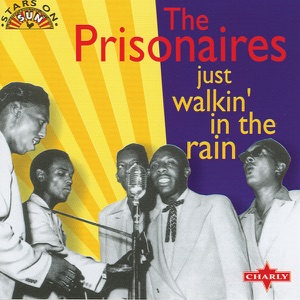
A song written in a prison yard downpour Five inmates from Tennessee State Penitentiary are driven to Sun Studios under armed guard to record Just Walkin' in the Rain. Lead singer Johnny Bragg wrote it crossing the yard in a rainstorm. It sells 250,000 copies. LIFE magazine runs a photo spread. The Prisonaires perform on local radio, then get driven back behind the walls.
Webb Pierce and the drinking song they tried to ban There Stands the Glass is a honky-tonk waltz about wanting to drink yourself unconscious. Radio stations refuse to play it. The Grand Ole Opry won't touch it. It goes to number one anyway and stays for twelve weeks. The audience doesn't care what Nashville thinks.
A saxophone pretending to be a locomotive Little Junior Parker's Blue Flames cut Mystery Train at Sun Studios. The saxophone imitates a train whistle. The rhythm section chugs. The whole record sounds like it's moving. Two years later, Elvis Presley walks into the same room and records the same song. But Parker's version came first, and it sounds like the blues leaving town.
The Stratocaster starts as a wish list Working guitarist Bill Carson tells Leo Fender everything wrong with his Telecaster: it digs into your ribs, the bridge saddles won't intonate, there's no vibrato. Fender and draftsman Freddie Tavares start sketching. Gibson answers from the other direction with the Les Paul Custom, all black lacquer and gold hardware. Two opposite ideas of what an electric guitar should be, both arriving in the same twelve months.