




















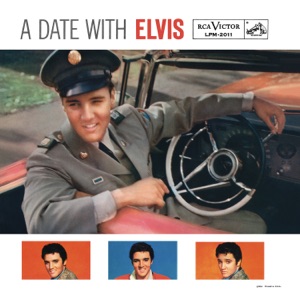



A nineteen-year-old hides in a movie theater On July 5, Elvis Presley, Scotty Moore, and Bill Black are struggling through ballads at Sun Studio in Memphis when Elvis starts fooling around with Arthur Crudup's That's All Right. Bill Black jumps up and slaps his bass. Sam Phillips hears it from the control room and hits record. Two days later, DJ Dewey Phillips plays the acetate on WHBQ, over and over, phone lines jammed with requests. Elvis is so nervous he goes to the movies. His parents pull him out of the theater and drive him to the radio station for his first interview. Phillips makes sure to ask which high school he attended, so Memphis knows the voice is white.
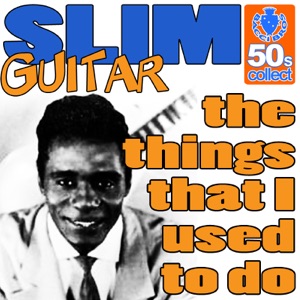
350 feet of guitar cord Guitar Slim records The Things That I Used to Do at Cosimo Matassa's studio in New Orleans, a room barely fifteen by sixteen feet. Ray Charles, twenty-three years old, plays piano and arranges the session, his first credited arrangement. The record spends fourteen weeks at number one R&B and sells a million copies. Slim performs with an assistant trailing behind him carrying hundreds of feet of guitar cable so he can walk through the crowd, out the door, and into the street while still playing. His guitar runs through a PA set at full volume, distorting in ways no guitarist has deliberately used on a record before.
Same song, two countries Big Joe Turner records Shake, Rattle and Roll in New York with a full horn section: two saxes, trombone, Mickey Baker on guitar. It goes to number one R&B. The lyrics are full of barely coded innuendo. Bill Haley records a cover the same week Turner's version tops the chart, scrubs the lyrics clean, and sells it to white teenagers. Haley's version reaches number seven pop and becomes the first rock and roll record to chart in Britain. The original and the copy exist side by side, the same twelve-bar structure holding two different Americas.
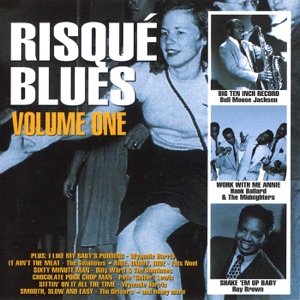
Banned from every radio station in the country Hank Ballard and the Midnighters release Work With Me Annie on Federal Records. The FCC bans it. Radio won't touch it. It sells a million copies anyway, reaching number one R&B and even number twenty-two pop without airplay. Ballard follows it with Annie Had a Baby, also banned, also number one, also a million seller. Then Sexy Ways. Over twenty answer songs appear from other artists. Teenagers are buying records that adults don't want them to hear, and there is nothing anyone can do about it.
Five voices in a garage in South Central The Penguins record Earth Angel as a demo in a garage in South Central Los Angeles. It is released as the B-side of Hey Senorita. A DJ plays both sides; by the next morning, requests flood in for Earth Angel. The demand nearly bankrupts Dootone Records. Owner Dootsie Williams runs out of label paper and starts pressing copies on whatever colored stock he can find. The record will reach number one R&B and cross over to the pop chart, one of the first doo-wop records to do both.
Three Willie Dixon songs in one year Muddy Waters records Hoochie Coochie Man in January, I Just Want to Make Love to You in April, and I'm Ready in September. All three are written by Willie Dixon, Chess Records' house bassist and talent scout. All three hit the R&B top five. The band is the same on every session: Jimmy Rogers on second guitar, Little Walter on harmonica, Otis Spann on piano, Dixon himself on bass. Dixon is writing the template that rock bands will mine for the next forty years.
A pedal pushed while the strings are still ringing Webb Pierce's Slowly enters the country chart in February and stays at number one for seventeen weeks. The record opens with a sound nobody can identify. Bud Isaacs is playing a double-neck pedal steel custom-built by Paul Bigsby, and he pushes a foot pedal that bends two strings while they sustain. No steel guitarist has done this on a record before. Lap steel players across Nashville hear the intro and start bending coat hangers into homemade pedal mechanisms, trying to replicate the effect.
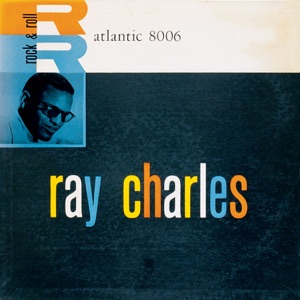
Gospel in a college radio booth Ray Charles records I Got a Woman in November at the studios of Georgia Tech's radio station WGST in Atlanta. He and trumpeter Renald Richard wrote it after hearing the Southern Tones' It Must Be Jesus on the car radio while touring. Charles takes the melody and the emotional intensity of the gospel song and puts secular lyrics underneath. It hits number one R&B in January 1955 and establishes a formula: sacred feeling, worldly words. Some people will call this the first soul record.
A B-side recorded in forty minutes Bill Haley and His Comets spend most of their April 12 session at Pythian Temple Studios in Manhattan cutting the A-side, Thirteen Women and Only One Man. With forty minutes left, they record Rock Around the Clock in two takes. Guitarist Danny Cedrone plays the solo for a twenty-one dollar session fee. The record peaks at number thirty-six and disappears. Cedrone dies two months later in a fall. A year from now, the record will be re-released with the film Blackboard Jungle and become the first rock and roll number one.
The Stratocaster ships in sunburst Leo Fender, draftsman Freddie Tavares, and factory manager George Fullerton finish the guitar that working musician Bill Carson has been asking for: contoured body that doesn't dig into your ribs, three pickups instead of two, and a synchronized tremolo bridge. The first hundred or so are handmade prototypes. Full production begins in October. The retail price is $249.50. It sells slowly. Three years later it will still not be particularly well known.
Sh-Boom crosses over The Chords, a doo-wop group from the Bronx, record Sh-Boom as the B-side of a Patti Page cover. DJs flip the record and it takes off, reaching number two R&B and number nine pop. It is sometimes cited as the first rock and roll record to crack the pop top ten. The Crew-Cuts, a white group from Toronto, cover it for Mercury and go to number one pop for nine weeks. That same month, Jerry Wexler and Ahmet Ertegun publish an article in Cash Box: The Latest Trend, R&B Disks Are Going Pop.
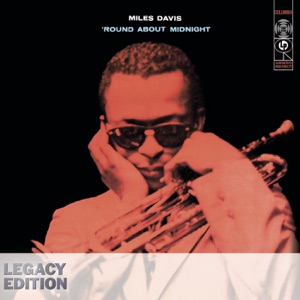
Hard bop in a living room in New Jersey Miles Davis records four sessions for Prestige at Rudy Van Gelder's home studio in Hackensack, New Jersey. The April 29 session produces Walkin', a long, funky blues with J.J. Johnson on trombone and Lucky Thompson on tenor saxophone. The track runs over thirteen minutes. Davis plays with a new kind of cool restraint over a hard-swinging rhythm section. It marks the turn from cool jazz toward what critics will call hard bop: bluesier, heavier, closer to the ground.