



















A riff recorded in his sleep Keith Richards wakes up in a Florida hotel room during a US tour, reaches for the cassette recorder he keeps by the bed, and plays a guitar riff into it. When he listens back in the morning, he hears two minutes of acoustic guitar and forty minutes of snoring. The band records the song at RCA Studios in Hollywood. Richards plugs into a Maestro FZ-1 Fuzz-Tone pedal as a placeholder for a horn section he plans to overdub later. Nobody overdubs the horns. The fuzz stays. (I Can't Get No) Satisfaction reaches number one for four weeks, and by the end of the year every Maestro FZ-1 in existence has been sold.
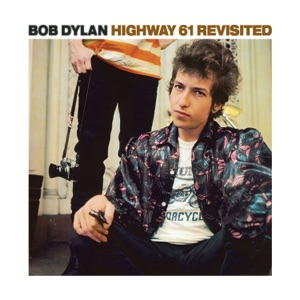
A kid who wasn't supposed to be on the organ Al Kooper is at Columbia Studios in New York as a session guitarist, but Mike Bloomfield is already playing guitar and playing it better than Kooper can. When the organist steps away, Kooper sits down at the Hammond B-3 and starts playing along. He has never played organ on a session before. Producer Tom Wilson keeps the part in the mix. The song is over six minutes long and Columbia does not want to release it. Like a Rolling Stone peaks at number two, blocked from the top only by Help!, and resets the rules for how long a pop single is allowed to be.
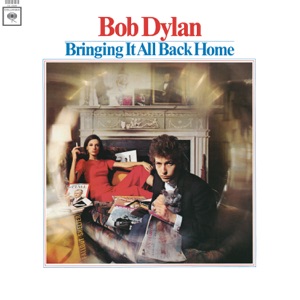
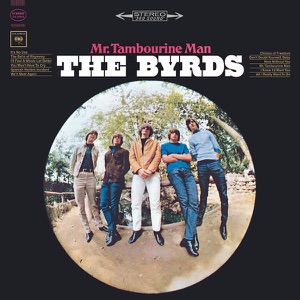
One instrument, two continents Roger McGuinn hears a twelve-string Rickenbacker in a movie theater while watching A Hard Day's Night and decides that is the sound he wants. He adds a compressor, and the guitar stops being thuddy and starts ringing with long, glassy sustain. The Byrds record a folk song and make it rock: they change the time signature, add a backbeat, and stack three-part harmonies over that jangling guitar. Mr. Tambourine Man reaches number one and a new genre has a name. Its author hears the Byrds' version and says it is the reason he went fully electric himself.
Everyone in the studio was dancing to the playback James Brown walks into a studio in Charlotte, North Carolina, and cuts a song in one take, in one hour. Traditional R&B emphasizes beats two and four. Brown shifts the weight to beat one: every instrument hits the downbeat and then stays out of the way. The groove becomes the song. Papa's Got a Brand New Bag reaches number one R&B for eight weeks and wins a Grammy. His band has to learn to follow his feet, not a chart. The rhythmic shift from melody-driven to groove-driven music starts here.
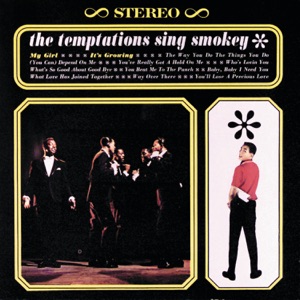
Six number ones and a formula nobody can crack Three songwriters in Detroit write and produce six consecutive number one pop hits for the same vocal group, an unprecedented streak. The formula is bass guitar melodic and syncopated, drums locked to tambourine, strings layered on top, and a lead vocal that floats above everything. Holland-Dozier-Holland build these records like blueprints, but nobody outside of 2648 West Grand Boulevard can reproduce the results. The Supremes, the Temptations, the Four Tops, and the Miracles are all charting simultaneously. Motown releases 119 singles this year.
Twenty-four hours and three Sam Cooke songs Otis Redding records an entire album in two sessions across a twenty-four-hour window at a studio on East McLemore Avenue in Memphis. The house band plays behind him: keyboards, guitar, bass, drums, and a horn section. Three of the eleven tracks are Sam Cooke covers, a tribute to the singer who died six months earlier. One of the originals is Respect, a plea from a tired man asking for basic dignity when he gets home. Two years later, the song will belong to someone else entirely.
A stutter and a bass solo Roger Daltrey starts stuttering during rehearsal and the producer tells him to keep it. The stutter on f-f-fade away sounds close enough to something unprintable that the BBC pays attention. John Entwistle plays a bass solo in the middle of the song, something almost nobody has done in rock. The record does not fade out or end cleanly: it dissolves into feedback and crashing drums, the instruments destroying themselves. My Generation reaches number two in the UK. The guitarist is already smashing his guitar on stage as a matter of principle.
An electric overdub without permission Tom Wilson, the same producer who recorded Like a Rolling Stone, walks into a Columbia studio and overdubs electric guitars, bass, and drums onto a quiet acoustic folk track from a failed 1964 album. He does not tell either of the two singers. One of them is in Denmark when he sees the new version climbing the charts. He is reportedly horrified. The Sound of Silence reaches number one in January 1966 and forces a reunion that neither songwriter had planned.
A sitar from a shop on Oxford Street A guitarist buys a cheap sitar from a store on Oxford Street in London after encountering the instrument on a film set earlier in the year. He plays it on a song about an extramarital affair, and the buzzing drone of the sympathetic strings appears on a Western pop record for the first time. Norwegian Wood is released in December as part of an album recorded in four weeks. A piano solo on another track is played at half speed and sped up on tape to sound like a harpsichord. The album is heard by a California songwriter who decides he needs to make something better.
Fifty-five thousand and a hundred dollars a second On August 15, a band plays to 55,600 people at a baseball stadium in New York, the first major stadium rock concert in history. The gross is $304,000. The performers earn roughly a hundred dollars for every second they are on stage. Two thousand security personnel try to manage the crowd. The screaming is so loud the band cannot hear themselves play. Mick Jagger and Keith Richards watch from the audience.
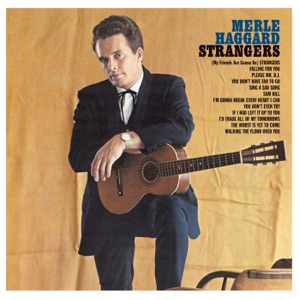
A parolee and a poet's mother Merle Haggard, paroled from San Quentin five years earlier, releases his first album on Capitol Records. His backing band takes its name from his first top-ten single, (My Friends Are Gonna Be) Strangers, written by Liz Anderson, the mother of future country star Lynn Anderson. The sound is Bakersfield through and through: raw fiddle, twanging Telecaster, no orchestral sweetness, a direct rejection of everything Nashville is doing with strings and vocal choirs.
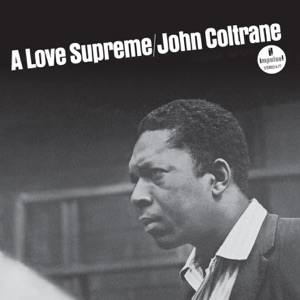
A prayer in four parts A saxophonist records a suite in four movements at a studio in New Jersey with his regular quartet. It is a devotional work, opening with a chanted phrase that gives the album its name. It sells half a million copies, seventeen times his usual figures. He only performs it live once, at a festival in the south of France that summer. Six months later he records a forty-minute collective improvisation with eleven musicians that pushes in the opposite direction entirely, tearing apart the structures he spent a career building.