





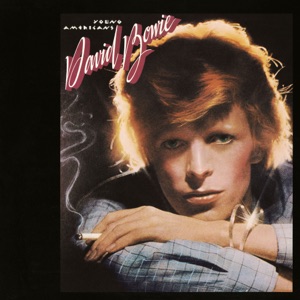
















Six months on one song A singer spends fourteen months making an album at two different studios, chasing a Wall of Sound he can hear in his head but cannot get onto tape. The title track alone takes six months. The engineer moves the sessions from a suburban studio to a bigger one in Manhattan because the piano pedal is audible in the mix at the first room. When the album comes out in August, the singer lands on the covers of Time and Newsweek in the same week. No rock musician has ever appeared on both covers simultaneously.
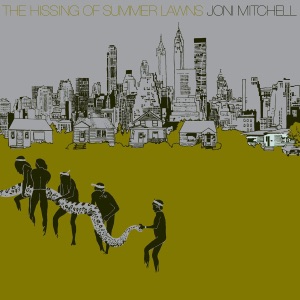
Five tracks re-recorded on a brother's advice A songwriter finishes a divorce album at a New York studio in September 1974, then plays the acetate for his brother. The brother tells him half the songs are too polished. On December 27, he drives to a studio in Minneapolis and re-records five tracks with local musicians recruited that week. The Minneapolis players go uncredited for over forty years. The final album, split evenly between two cities and two moods, comes out in January and is immediately recognized as one of the rawest things its composer has ever made.
A fat man in a doorway, and nobody recognizes him On June 5, a heavyset man with a shaved head and no eyebrows walks into a London studio where his former bandmates are mixing a song written about him. He sits down, brushes his teeth, stares at the floor. Nobody recognizes him for several minutes. When the guitarist finally realizes who he is, the bassist breaks down in tears. The song playing on the monitors at that moment is a nine-minute elegy for the visitor's lost mind. He had been gone for seven years.
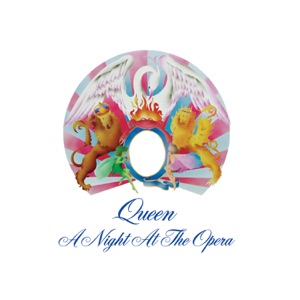
160 vocal overdubs on a six-minute single A singer composes a six-section piece at his piano, mostly alone, at home. Recording begins at a farmhouse studio in South Wales, then moves between five London facilities for overdubs and assembly. The operatic middle section requires 180 vocal takes layered onto 24-track tape: three singers trading registers, bouncing tracks until the tape becomes nearly transparent. The single runs five minutes and fifty-five seconds. Radio programmers say it is too long. It enters the UK chart and stays at number one for nine weeks.
Two turntables and a park In the South Bronx, a Jamaican-born DJ isolates the percussion break in funk records by switching between two copies of the same record on two turntables, extending a fifteen-second section into a five-minute loop. By 1975, the technique has moved outdoors, powering block parties in parks and schoolyards. A former gang general watches, gets his own sound system, and starts throwing parties of his own, converting followers from the largest street gang in the borough into a cultural collective. Nobody is recording any of this. It will take another four years before these parties produce a commercial record.
A torn Pink Floyd shirt and a new name A boutique owner on the King's Road in London assembles a band from his shop's customers. He needs a singer. His associate spots a teenager with green hair and a Pink Floyd T-shirt with the words I Hate scrawled above the logo. The teenager auditions by miming along to a jukebox. He gets the job and a new surname. Their first gig is in November, opening for a pub rock band at an art school. The set lasts twenty minutes before the venue cuts the power.
The first album to debut at number one A concept album about two songwriting partners arriving in London in the late 1960s ships so many advance copies that it is certified gold before its release date. On June 7, it enters the Billboard 200 at number one, the first album in chart history to do so. Its composer already has four top-ten singles in rotation simultaneously. He is the most commercially dominant artist in the world, and the album is a memoir disguised as a song cycle.
Thirteen tape loops rigged to a microphone stand A band spends three weeks singing sustained vowel sounds into a microphone, one note of the chromatic scale at a time, each note recorded sixteen times across 16-track tape. The thirteen resulting reels are each spliced into twelve-foot loops, threaded around a capstan rigged to a mic stand, and fed through a mixing desk. By fading loops in and out, the engineers create shifting chords from roughly 256 layered voices. The song built on this technique reaches number one in the UK. The entire technique amounts to a synthetic choir made of human voices.
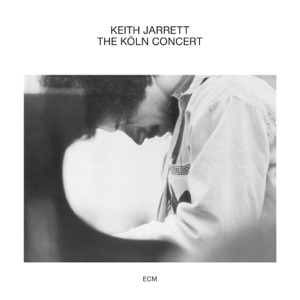
A wrong piano, a right performance A jazz pianist arrives at a German opera house for a solo concert and finds the wrong instrument on stage: a baby grand instead of the concert grand he specified, with sticky keys and broken pedals. He nearly cancels. The concert promoter, a seventeen-year-old woman, persuades him to play. The resulting seventy-minute improvisation, recorded for a small European label, becomes the best-selling solo jazz album of all time and the best-selling piano album in any genre.
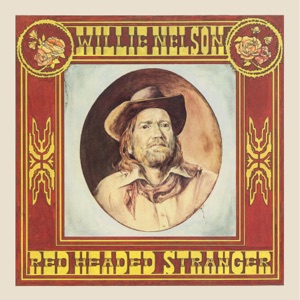
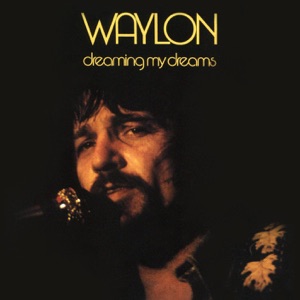
Outlaws in Nashville's living rooms A country singer releases a concept album so spare that his label nearly refuses to put it out. One voice, one guitar, silence where the Nashville Sound would have stacked strings and background singers. The first single, a cover of a song written forty years earlier, becomes a number-one country hit and crosses over to pop radio. Five hundred miles east, another singer records an album asking whether the old guard ever did it this way. Between them, they blow a hole in Nashville's studio system that will never fully close.
Live at the Lyceum, and suddenly reggae goes global A Jamaican singer's first UK shows in two years sell out instantly. The label dispatches a mobile recording truck to capture the second night at a London theater. The live version of a song about growing up in Trenchtown, built on a simple piano figure and a swaying one-drop rhythm, becomes his first international hit single. Back in Kingston, a different kind of studio work is underway: engineers stripping recordings down to drums and bass, drowning them in reverb and delay, turning mixing desks into instruments. The remix is being invented in real time.