









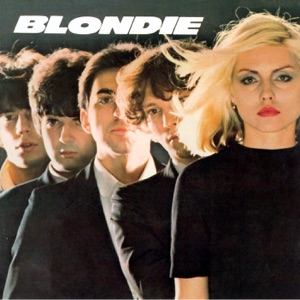







Seven days, $6,400, and a plastic saxophone's worth of ambition Four guys from Forest Hills, Queens, walk into a former NBC radio studio on the seventh floor above Radio City Music Hall and record fourteen songs in seven days for $6,400. Three days for backing tracks, four for vocals. The producer adds a genuine chainsaw sound effect, a glockenspiel, and a pipe organ cover of a Chris Montez song. The album sells poorly at first but lands in London like a grenade. Within months, every kid in England who hears it decides that three chords and two minutes is enough to start a band.
Thirty people in a room, and every one of them starts a band On June 4, an estimated thirty to fifty people watch a band play a rented hall in Manchester. Among the small crowd are the future members of Joy Division, the Smiths, the Fall, and Magazine. The show was organized by two fans who had formed their own band just four months earlier after seeing the same group in London. Seven weeks later, the same venue hosts a second show. This time the organizers' band plays its first gig as the opening act. Two nights in a single room seed an entire city's musical future.
200 songs, 48-hour sessions, and a 3:30 a.m. phone call A songwriter records approximately 200 songs over two years, working sessions that stretch past twenty hours, occasionally staying awake for 48 straight. Musicians learn to expect calls at 3:30 in the morning. The final product is a double album with a bonus EP, 21 tracks drawn from that mountain of material. It enters the Billboard chart at number one, stays there for eleven weeks, and wins Album of the Year. The core band holds together through sheer endurance, anchored by a bass player and a drummer who simply refuse to go home.
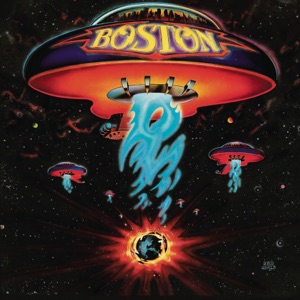
An MIT engineer records a debut album in his apartment basement A graduate of MIT's mechanical engineering program builds a recording studio in his apartment basement in Watertown, Massachusetts, designing and constructing much of the equipment himself. He records nearly every instrument on what becomes the best-selling debut album in American history, while his record label believes the sessions are happening on the West Coast. The deception holds. The album ships platinum and keeps selling for years.
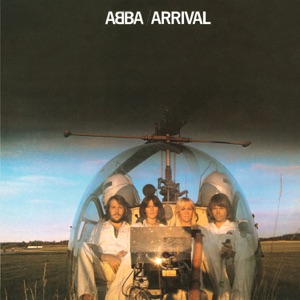
Black Sabbath through the wall A band splits its recording sessions between Miami and Los Angeles because the producer is afraid of earthquakes. In Miami, the studio next door is occupied by a heavy metal band recording at extraordinary volume. The sound comes through the wall so forcefully that entire takes have to be scrapped and re-recorded. One ballad in particular requires multiple complete restarts. The final version of the album, when it arrives in December, becomes one of the decade's defining records. Its title track required 33 edits spliced together on the two-inch master tape.
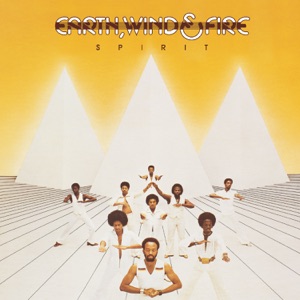
The first platinum single, and it says 'disco' right in the title A soul singer from Crawfordsville, Arkansas, moves from a collapsed Memphis label to a major and records a midtempo groove built on a four-on-the-floor kick drum. The single sits at number one on the Hot 100 for the entire month of April and becomes the first record ever certified platinum by the RIAA. The word in the title is still new enough to be a marketing tool, old enough to be undeniable. The certification itself is new too: the RIAA invents the platinum designation this same year.
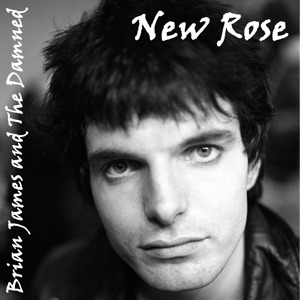
A borrowed £400 and a catalogue number called BUY 1 Two music industry outsiders borrow £400 from a pub-rock guitarist and start a record label in London. The first release is a single with the catalogue number BUY 1. Within weeks the label puts out what is generally recognized as the first UK punk single, a two-minute blast recorded in a single day. The label's slogan is unprintable in polite company, but its roster and its attitude help define British independent music for the next decade.
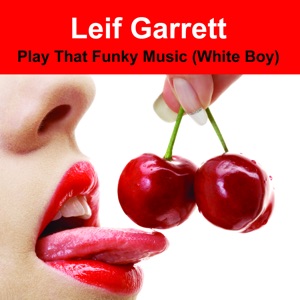
A spaceship lands in Houston On Halloween night, a stage prop shaped like a spaceship descends from the ceiling of a Houston arena and opens to reveal a bandleader in full costume. The show is the culmination of a concept album built around the idea of funk as intergalactic mythology: a pimp in a Cadillac-shaped mothership, equal parts James Brown and science fiction. The single from the album, a demand to give up the funk, becomes the group's first to sell a million copies.
Shot two days before the concert On December 3, gunmen enter a musician's home in Kingston, Jamaica, and open fire. The musician, his wife, and his manager are all hit. Two days later, on December 5, the musician walks onto a stage at National Heroes Park and performs for an estimated 80,000 people. After the concert, he leaves the country for more than a year. The political violence that preceded the shooting was tied to an election in which music had become a weapon for both sides.
Queen cancels, and the filth and the fury follow On December 1, a band appears on a London afternoon television show as last-minute replacements after another group cancels due to a dental emergency. The host goads them into swearing on live television. The next morning, a tabloid headline reads The Filth And The Fury. The host is suspended for two weeks. His show is cancelled two months later. The band, already notorious in London's club circuit, becomes a household name overnight. Their single, released five days earlier, will be pulled from shelves by the label's own pressing plant workers.
Thanksgiving dinner, chandeliers, and a five-hour farewell On Thanksgiving Day, a band invites 5,000 people to a ballroom in San Francisco, feeds them turkey dinner, and plays for five hours under chandeliers designed by the set decorator from West Side Story. The guest list includes a reclusive folk singer, a British blues guitarist, a former Beatle, and several people who will spend the rest of their careers explaining what they saw that night. A young filmmaker sets up cameras to document the evening. The resulting concert film will not be released for another two years.
Country goes outlaw and goes platinum A compilation album featuring four artists who fought Nashville's polished studio system becomes the first country record ever certified platinum. The artists had won the right to choose their own producers and session musicians, a radical demand in a genre where labels controlled every detail of the recording process. The album does not contain new material; it is assembled from existing tracks by an RCA executive. It sells a million copies anyway and drags country music toward creative independence.