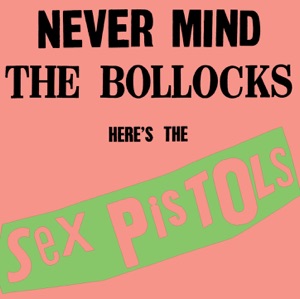











A boat, a banned song, and a national holiday A punk band releases a single during the Queen's Silver Jubilee week. The BBC and every independent broadcaster in the country ban it outright. On Jubilee Day itself, June 7, the band performs on a boat on the Thames near the Palace of Westminster, chartered by their label boss as a parody of the royal river procession. Police surround the vessel, cut the power, and arrest eleven people on docking, including the manager. The single reaches number two on the official chart. Many insist it was actually number one, held off the top spot to avoid embarrassment.
Five people breaking up, one record holding together Two couples in the same band are splitting apart while recording an album. The bassist and the keyboardist are ending their eight-year marriage. The guitarist and the vocalist have already broken up but must sing harmonies together every day. The drummer has just learned his wife is having an affair with his best friend. The sessions stretch across a year and multiple studios, fueled by cocaine and emotional wreckage. Every wound goes straight into the lyrics. The album spends 31 weeks at number one and eventually sells over 40 million copies.
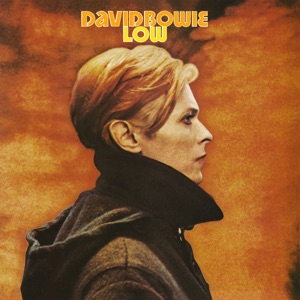
The sound of the future arrives in Berlin on a seven-inch A producer in Munich builds a track almost entirely from a synthesizer sequencer, with a human voice riding on top and a single acoustic kick drum holding the pulse. The rest is machine. A collaborator working in a studio near the Berlin Wall hears the record and announces to everyone in the room that it will change the sound of club music for the next fifteen years. He is essentially correct. The track becomes a blueprint for synth-pop, Hi-NRG, Italo disco, house, and techno.
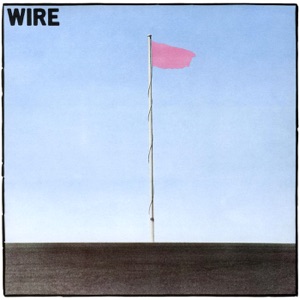
Four thousand pounds and three weekends A punk band signs to a major label for a hundred thousand pounds, then records their debut album over three consecutive Thursday-to-Sunday sessions in the label's own studio. Total recording cost: four thousand pounds. A staff engineer runs the board. The band's live sound man produces. The tapes are delivered at the start of March and the album is on shelves by April 8. It will not be released in America for another two years.
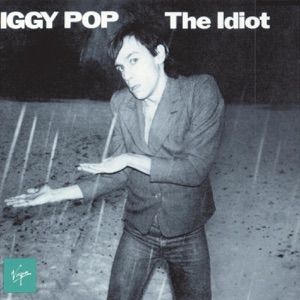
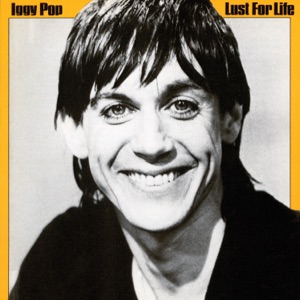
Two albums, two cities, one collaborator A singer escapes a cocaine addiction by relocating to West Berlin with a friend. He produces two solo albums for the friend and records two of his own, all in the same year. The first solo record splits in half: fractured pop songs on one side, ambient instrumentals on the other. The second is recorded in a former ballroom roughly 500 yards from the Wall, where soldiers with machine guns patrol in plain view through the studio windows. A guitarist recruited for the sessions marks tape on the floor to show where he can coax specific feedback notes from his amplifier: four feet away for one pitch, three feet for another. He sways through the title track like a dancer.
Rejected by every label, bought by forty-three million people A songwriter, a singer, and a producer spend two years making an album that bounces between operatic rock, motorcycle revving, and ten-minute power ballads. Every major label passes. One executive says actors do not make records. The album finally lands on a small Cleveland imprint, debuts at number 185, and spends half a year in the lower reaches of the chart before word of mouth takes over. It eventually sells over 43 million copies worldwide and stays on the UK chart for 474 weeks.
A drum beat borrowed from a TV theme Two musicians in Berlin are waiting for an episode of a cop show to come on the Armed Forces Network. The station's call signal, a repeating rhythmic figure, catches their attention. One of them picks up a ukulele, the other starts building a song around that pulse. The drum pattern on the finished recording, played by a jazz drummer on his first rock session, fuses the call signal's insistence with the rhythmic DNA of two mid-1960s Motown singles. The song becomes one of the most recognizable opening drum patterns in rock history.
The lights go out in New York On the night of July 13, a blackout plunges most of New York City into darkness. Unlike previous outages, this one triggers widespread looting. In neighborhoods across the Bronx, Brooklyn, and Harlem, some of the stolen goods are turntables, mixers, amplifiers, and speakers from electronics stores. When the power comes back on, aspiring DJs who could never have afforded professional equipment suddenly have it. New crews and sound systems appear almost overnight. The culture that has been building in park jams and community centers for four years accelerates.
Forty session musicians and one perfect take Two perfectionists spend six months cutting an album in a small Hollywood studio, cycling through nearly forty session musicians and recording each song with at least six or seven different drummers before choosing a keeper. The eight-minute title track pairs a jazz saxophone solo with a drum performance so fluid and precise that engineers still use it as a reference recording. The album becomes the duo's commercial breakthrough, reaching number three and spending more than a year on the chart.
A four-track studio behind a house in Kingston A producer works with a four-track recorder and a couple of effects units in a studio he built behind his family home. The equipment is minimal: a phase-shifter, an echo unit, and whatever else is within arm's reach. The results are enormous. In a single year, the studio produces a falsetto-led vocal album with a cast of guest singers, a protest single that a London punk band covers almost immediately, and a party record by a veteran vocal group. The sound, heavy on echo and stripped to the bones of bass and drums, defines a genre.
Five hundred copies in Brisbane A band in Brisbane, Australia presses five hundred copies of a single on their own label, recorded in one evening session at a local studio. A British music paper declares it single of the week. The pressing sells out. A major UK label signs the band on the strength of one seven-inch, sight unseen, making them one of the first punk acts outside the US or UK to land an international deal. The full album follows in 1977.
The stomp heard around the world A guitarist in a London studio writes a song designed for audience participation. The signature sound is not a guitar riff but a stomp-stomp-clap rhythm, created by overdubbing the band stomping and clapping on the studio's drum riser. Paired with a piano ballad as a double A-side, the single becomes an anthem that outlives its era entirely, played at sporting events decades later by crowds who have no idea which album it came from.