

















The sample as collage A hip-hop trio from Long Island built their debut album out of fragments: a Johnny Cash riff, a French language instruction tape, a Steely Dan bass line, a game-show format that turned skits into an art form. The album arrived in March on Tommy Boy Records, credited to a producer who assembled the whole thing using dual cassette decks and a drum machine. One sample, a few seconds of a 1960s pop song, later cost $1.7 million in a lawsuit. The era of uncleared sampling had begun its short, brilliant peak.
One hundred samples deep Four months after the daisy-age debut, a trio from New York released an album on Capitol that layered between one hundred and three hundred samples into dense, seamless collages. Most were cleared easily and cheaply, something that would be unthinkable within two years. The album entered the chart at number fourteen and was considered a commercial failure. It took a decade for the consensus to catch up: this was the furthest anyone would ever push sample-based composition before the lawyers made it impossible.
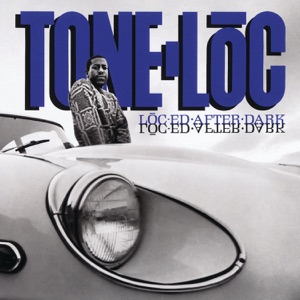
A letter from the FBI On August 1, an assistant director at the FBI sent a letter to a small independent label objecting to a song that, in his words, encouraged violence against law enforcement. The letter stated his views reflected the opinion of the entire law enforcement community. The label leaked it to the press. The album in question had already sold three million copies without radio play or MTV support. Police departments in several cities refused to provide security at the group's concerts. In Detroit, officers escorted the performers offstage mid-song.
Pepsi pays five million for a burning cross A soft drink company signed a pop star to a $5 million deal to feature her new single in a television commercial. The ad debuted during the Grammy broadcast to an estimated 250 million viewers. Then the music video arrived: burning crosses, a kiss with a Black saint, stigmata. The Vatican condemned it. Christian groups called for a global boycott of the company and its subsidiaries. The company pulled the ad but let her keep the money. The album debuted at number one.
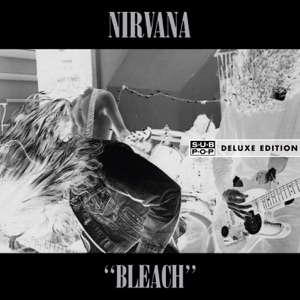
Six hundred and six dollars and seventeen cents A band from Aberdeen recorded their debut album in thirty hours across a handful of sessions at a Seattle studio, where the engineer charged twenty dollars an hour. The total bill came to $606.17. A friend who did not play on the record paid the tab and got his picture on the cover. The initial pressing was one thousand copies on white vinyl, priced at $7.98. It would eventually sell four million.
The janitor's demo A twenty-four-year-old assistant engineer and janitor at a recording studio in Cleveland was given free access to the equipment between bookings. He wrote, performed, and produced virtually everything himself, then sent tracks to producers in London and New York who co-produced individual songs without ever meeting him in person. The finished album fused synthesizers, sequencers, and distorted vocals into something that sounded like pop music built in a factory. It was the first album of its kind to cross into the mainstream and eventually sold three million copies.
The backing track skips At a theme park in Connecticut on July 21, during a performance broadcast on MTV, the backing track began to skip. The same phrase repeated over and over, the word at the end of the line never arriving. One of the two performers fled the stage. In December, one of the actual vocalists publicly revealed that the duo on stage had never sung on the records. The album had already sold seven million copies. The Grammy for Best New Artist, awarded the following February, would be the first and only Grammy ever revoked.
Seven singles, five number ones A fourth studio album fused industrial rhythm with pop architecture, built primarily on a sampler that replaced the drum machine used on its predecessor. Seven singles from the album reached the top five of the Hot 100, four of them hitting number one. One of the singles was a hard rock track that topped the rock chart, making its creator the first artist to score number ones on the pop, R&B, dance, and rock charts. The title referenced 1814, the year the national anthem was written.
The class of '89 Two country singers from Texas and Oklahoma released debut albums within weeks of each other in the spring. One shipped fewer than twenty thousand copies and took over a year to peak; it eventually sold ten million. The other produced four consecutive number-one country singles and outsold every debut in its label's history. The media manufactured a rivalry between them. Within two years, one had transformed country music into an arena-rock spectacle, and the other had been left behind.
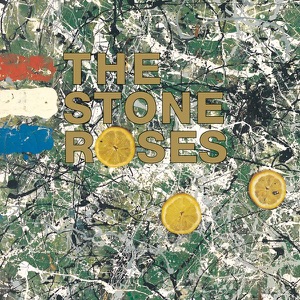
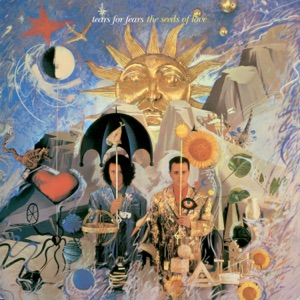
Approaching thirty in a country house A band's frontman, anxious about turning thirty and feeling pressure to follow two pop-leaning records with something more enduring, returned to hallucinogenic drugs and entered a residential studio in Oxfordshire. Sessions ran from November to February. The keyboardist's escalating alcoholism led to his effective dismissal by the time mixing finished. The resulting album sold more copies than anything the band had released before, reaching the top three in the UK and producing a single that hit number two in America.
A funki dred production A London collective fused Caribbean soul, funk, reggae, and house into a sound they stamped with their own production tag. Their debut album reached number one in the UK and went double platinum in America. The lead single topped the British chart and became the fifth best-selling UK single of the year. Two Grammy Awards followed. The production style, built on deep bass, loping mid-tempo grooves, and layered vocal harmonies, influenced an entire generation of British R&B and what would later be called trip-hop.