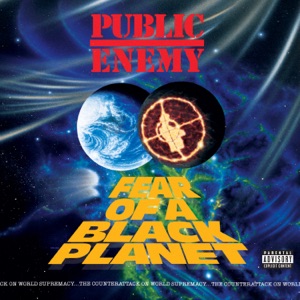


















One hundred and fifty samples on a single album A hip-hop group's production team layered approximately 150 to 200 samples across their third album, requiring separate logging sheets for each track just to keep count. The production was largely improvised: the MC had the team build beats on the spot while he shaped songs in real time. The result was the densest collage of found sound ever assembled on a commercial record. Within two years, a federal court ruling on sampling clearance would make this method of production financially impossible.
From one coast to another A rapper who had just left the most controversial group in West Coast hip-hop flew to New York with notebooks full of pre-written lyrics. He recorded his solo debut at the same downtown studio where the East Coast's most sample-dense production team worked, combining his storytelling with their wall-of-noise approach. The result fused two regional styles that had never overlapped before. Some of the songs in the notebook had originally been written for his former group.
A face, a tear, and four weeks at number one A singer recorded a ballad originally written by a Minneapolis musician for a side project in 1985. The first two vocal takes were the ones that ended up on the record. The video was a single continuous close-up of her face, and the tears that appeared were real, triggered by thoughts of her mother. The single topped the charts in at least seventeen countries.
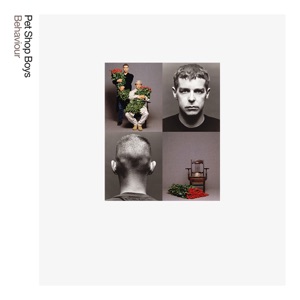
The synth band that filled stadiums A British electronic group's seventh album was recorded over six months at studios in Milan, rural Denmark, and North London. The production approach was deliberately minimal in pre-production: sketches were kept simple, then layered extensively in the studio. One single had already become the largest-selling twelve-inch in its American label's history. The subsequent world tour drew over 1.2 million people and proved that a synthesizer-based act could command arenas on the same scale as guitar bands.
Lip-syncing catches up A pop duo had sold seven million copies of their debut album and won Best New Artist at the Grammys in February. In November, their German producer held a press conference and confessed that neither member had sung a note on the record. The actual vocals belonged to four session singers. Five days later, the Grammy was revoked, the first and only time that has happened. One member of the duo struggled with depression and substance abuse for years afterward and died of an overdose in a Frankfurt hotel room in 1998, at thirty-two.
Obscene until proven otherwise A federal judge in Fort Lauderdale ruled a Miami rap group's album legally obscene in June, the first time a recorded work received that designation in the United States. Four days later, three group members were arrested after performing the material live at a Florida nightclub. A professor of African American studies testified for the defense, arguing the lyrics drew from centuries of oral tradition including signifying and playing the dozens. The jury acquitted the group in October. An appeals court overturned the judge's ruling two years later.
Did the record tell them to do it? A British heavy metal band stood trial in Reno over allegations that subliminal messages in a 1978 recording had caused two teenagers to attempt suicide. The prosecution played the song forward, backward, and at various speeds. The lead singer testified that the supposed hidden words were the sound of him exhaling while singing. The judge dismissed the case in August, ruling that even if subliminal content existed, it was not responsible. The trial cost the band a quarter of a million dollars in legal fees.
Country fills the arena A singer from Oklahoma released his second album in August. It produced four consecutive number-one country singles, sold eighteen million copies in the United States alone, and became one of the ten best-selling albums of the entire decade across all genres. His live shows featured pyrotechnics and rope swinging borrowed from arena rock. He cited a glam-rock band and a Long Island piano player as his primary influences. Country music had not crossed over to the pop charts this aggressively since the early 1980s.
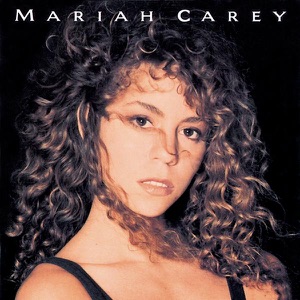
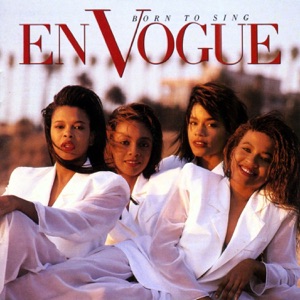
Four number ones from a demo tape at a party A singer had handed a demo tape to a label president at a party in late 1988. The label spent over a million dollars promoting her debut album. Sales were slow at first, then the album produced four consecutive number-one singles, a feat only one other debut artist had achieved. The lead single's melismatic vocal style, cascading runs that curved through every interval in the scale, would reshape pop and R&B vocal technique for the next fifteen years.
A nighttime record from Oxford Four teenagers from Oxford, all eighteen to twenty years old, recorded their debut album at a London studio. The mixing engineer layered guitars with so much reverb, delay, and tremolo that individual notes dissolved into a continuous shimmer. The band's members spent performances staring at their effects pedals rather than the audience. The British press was just beginning to call this sound shoegaze.
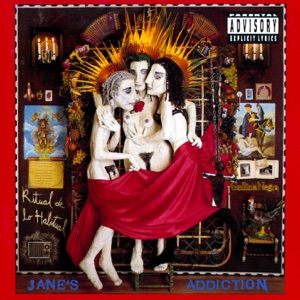
The farewell that became a festival A Los Angeles band released their second major album in August. The original cover art, a mixed-media sculpture featuring nude figures, was rejected by conservative retailers, so the label pressed an alternate sleeve bearing only the text of the First Amendment. Internal tensions during recording made it clear the band would not survive another album cycle. Their frontman conceived a farewell tour modeled on Britain's Reading Festival. That tour, launched the following summer under a new name, became the most influential traveling festival in American rock history.
Parliament passes a bill, the dancefloor ignores it The British government passed the Entertainments (Increased Penalties) Act in July, raising the fine for hosting an unlicensed party from two thousand pounds to twenty thousand, with a possible six-month prison sentence. The target was the illegal rave scene that had been drawing tens of thousands to fields and warehouses since 1988. Organizers broadcast locations via pirate radio and voicemail party lines, staying one step ahead of police. The Act barely slowed anything down. The scene kept growing for another four years until even more severe legislation was introduced.